
QUALITY

WE ASSURE 100% QUALITY EVERY LOAD TESTED

We are strict in quality compliance to offer best materials.

WHAT WE THINK WHEN

Buying Construction
Aggregate?

The strength and durability of any structure depends on the quality of aggregate you choose.

Strength & Durability
Purity & Cleanliness
Right Size & Shape
Value for Money

How to Differentiate Between Good & Bad Aggregate?

  • Check for Cleanliness
  • Water Absorption Test
  • Check Shape & Texture
  • Look for Strength
  • Sieve Analysis
  • Sound Test (Clash Test)
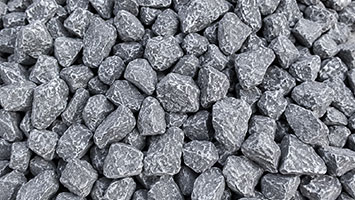
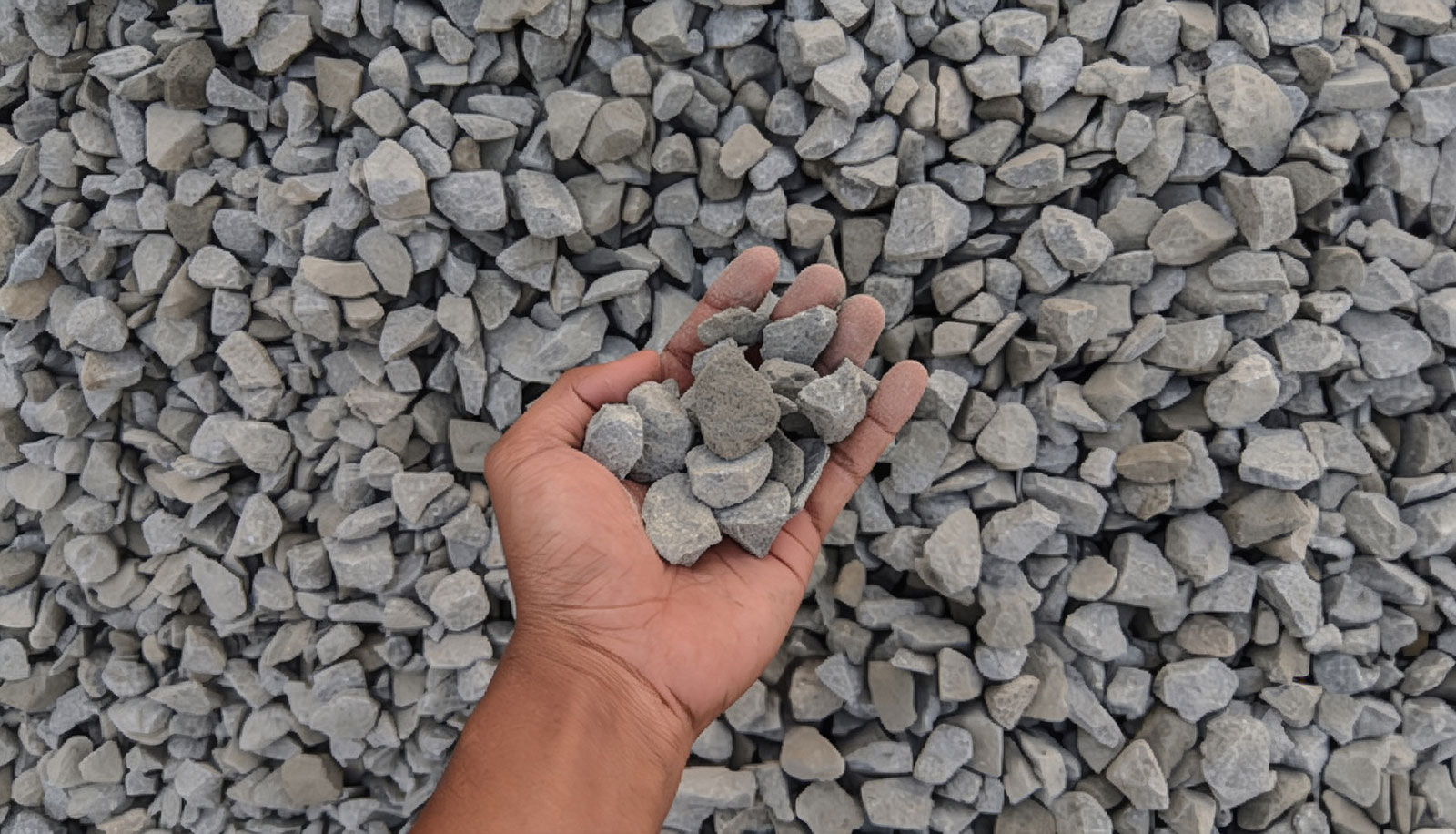
Good Aggregate
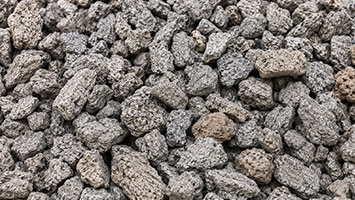
Bad Aggregate
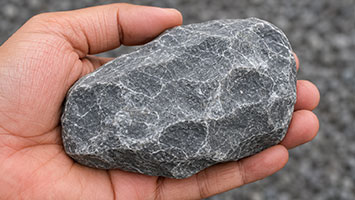
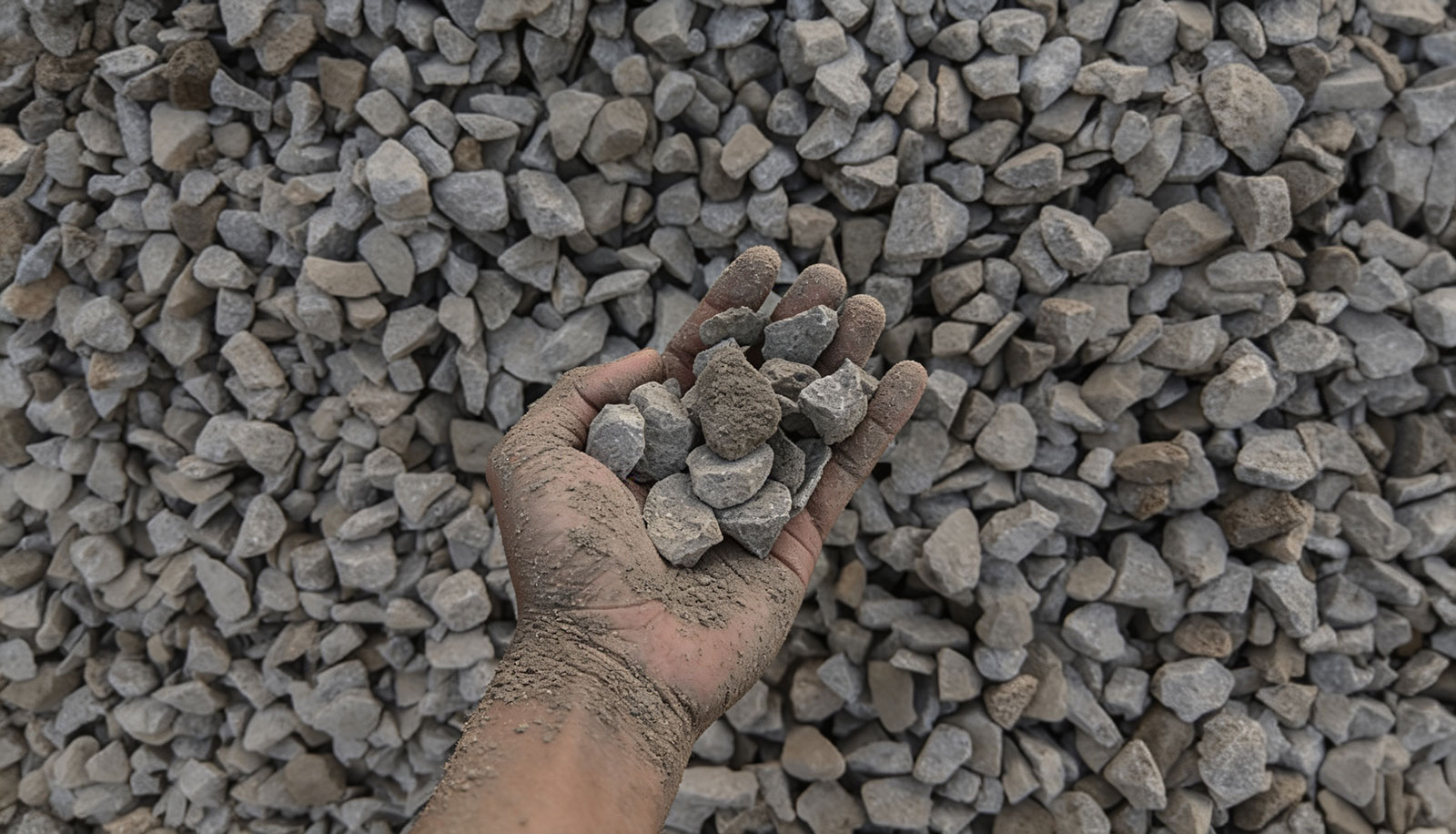
Good aggregate stones

Clean, angular & uniform size

Bad aggregate stones

Dusty, irregular & mixed sizes

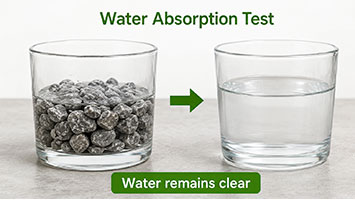
Clear water bowl test

Water remains clear

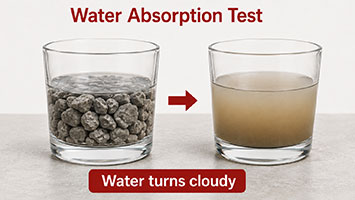
Cloudy water bowl test

Water turns cloudy

Rough textured stone in hand

Rough texture & strong edges

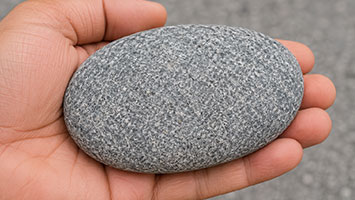
Smooth weak stone in hand

Smooth texture & weak edges

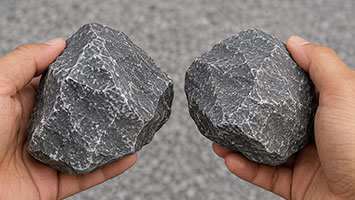
Stones struck together

Produces clear metallic sound

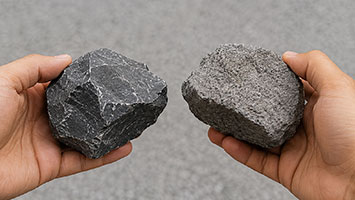
Dull stones being struck

Dull sound, breaks easily

Clean sieve, minimal dust

Minimal dust & fines

Dusty sieve, excess fines

Excess dust & fines

Beware of Mixed Materials That Add Weight, Not Strength!

Some suppliers mix slag, dust, and other unwanted materials to increase weight and reduce cost. This directly affects the strength, bonding, and durability of your construction.
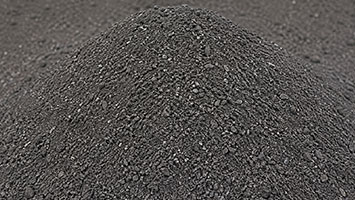
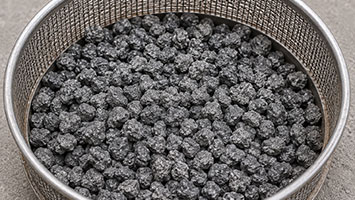
Slag mixed into aggregate

Slag

Reduces bonding & causes cracks

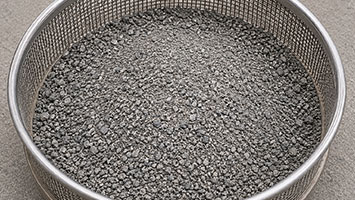
Dust and fines in aggregate

Dust / Fines

Increases water demand & weakens concrete
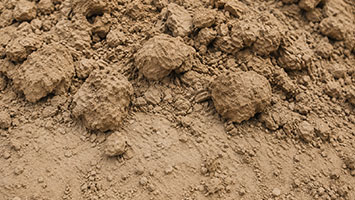
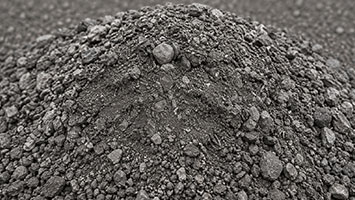
Clay and silt in aggregate

Clay & Silt

Prevents proper bonding & causes shrinkage
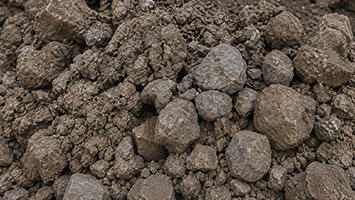
Weak stones in aggregate

Weak Stones

Breaks under load & compromises safety

Choose Quality.
Build Confidence.

Always insist on tested, clean, and high-quality aggregates for a stronger and longer-lasting structure.

Tips for Smart Buyers

  • Buy from trusted & transparent suppliers
  • Ask for test reports (grading, water absorption, etc.)
  • Inspect material before loading
  • Don't compromise on quality for a lower price

WE OFFER THE MOST OF QUALITY REGARDLESS OF CONSTRUCTION

Quality Assured

Consistent grading, sizing & Low impurities

Reliable Production Capacity

Modern crushing and screening equipment | High daily output

Competitive Pricing

Fair market pricing | Clear quotations with no hidden charges

Timely Delivery

Own or dedicated truck fleet | Well-planned dispatch system

Strong Customer Relationships

Responsive customer support

Safety Compliance

Safe quarry and plant operations | Environmental compliance
Our Product Other's Product

FAQs

Why is the quality of construction aggregates important?

Construction aggregates make up nearly 70–80% of concrete volume. High-quality aggregates improve the strength, durability, and lifespan of your building, while poor-quality materials can lead to cracks, weak concrete, and higher maintenance costs.

How can I identify good quality aggregates?

Good quality aggregates should:

  • Be clean and free from dust, clay, and organic impurities.
  • Have angular edges for better bonding.
  • Be uniformly graded.
  • Be hard and durable.
  • Produce minimal fines during handling.
What is the Water Absorption Test?

The Water Absorption Test helps determine the cleanliness of aggregates.

If the water remains clear after soaking the aggregates, it indicates clean material. If the water turns muddy or cloudy, it suggests excessive dust, clay, or impurities that can reduce concrete strength.

Why should aggregates be free from dust and clay?

Dust and clay prevent proper bonding between cement and aggregates, increase water demand, reduce concrete strength, and may cause cracks over time.

Can low-quality aggregates affect the strength of my building?

Yes. Poor-quality aggregates can reduce compressive strength, weaken bonding, increase shrinkage, and significantly reduce the durability and life of the structure.

Why do some suppliers mix slag, excess dust, or unwanted materials?

Some suppliers mix low-cost materials such as slag, stone dust, or excessive fines to increase weight and reduce production costs. While this may lower the selling price, it compromises the strength and quality of concrete.

Which aggregate size should I choose?
  • 6mm – Paver blocks, precast products, tile bedding.
  • 12mm – RCC slabs, beams, columns, residential construction.
  • 20mm – Foundations, RCC works, roads, commercial buildings.
  • 40mm – Heavy foundations, retaining walls, mass concreting.
What is the difference between M Sand and P Sand?

M Sand is manufactured for concrete and RCC applications, offering superior strength and consistency.

P Sand is finer and is primarily used for plastering and masonry work, providing a smooth finish.

Can I buy aggregates directly from the manufacturer?

Yes. Buying directly from RKB Mines ensures:

  • Consistent quality
  • Competitive pricing
  • Reliable supply
  • Transparent sourcing
  • Timely delivery

EVERY TYPE OF AGGREGATEWE WILL DELIVER

Any construction you shall depend on us for premium aggregate materials